Manda Conservancy
Manda Island sits in the Lamu Archipelago — some 17,000 acres of forest and bush, including more than 5,500 acres of mangrove, that together hold one of the last fragments of the East African Coastal Forest, a global biodiversity hotspot where many species occur nowhere else on Earth.
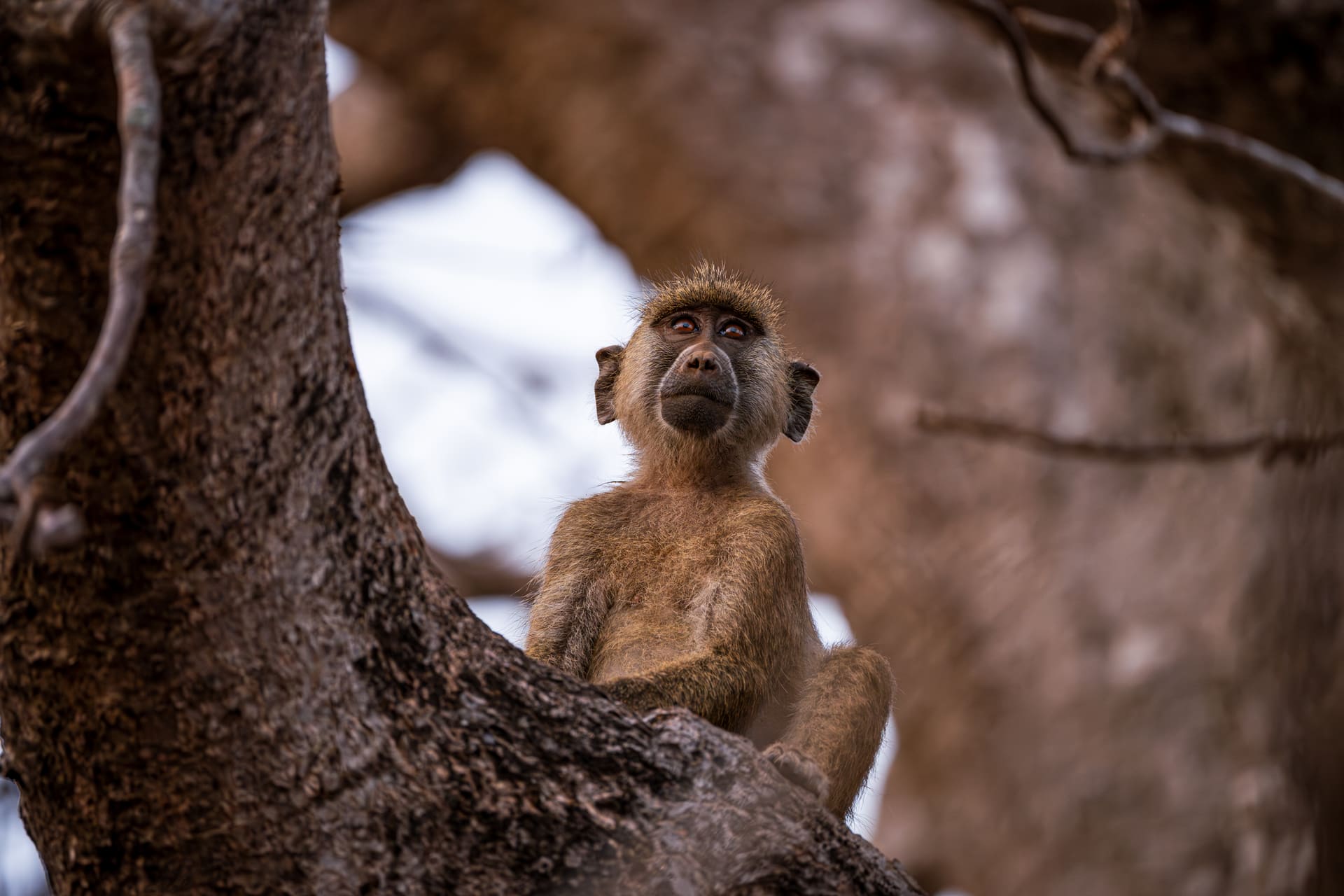
What protected this place was its hardship. Manda has no permanent freshwater — what people use is caught from rain, ferried from neighbouring islands, or desalinated — and that single constraint kept settlement to the south, near Lamu, leaving the north and east largely intact. The island remains home to buffalo, leopard, hyena, antelope, small cats, and an exceptional range of birds, among them the Manda Boubou, whose range once reached into southern Somalia and now narrows toward this last refuge. Where wildlife once crossed freely to the mainland, dredging of the channel and the infrastructure around Lamu Port have closed those routes; conservation efforts led by Manda Bay Lodge now carry water and feed through the dry months to sustain the animals left stranded.
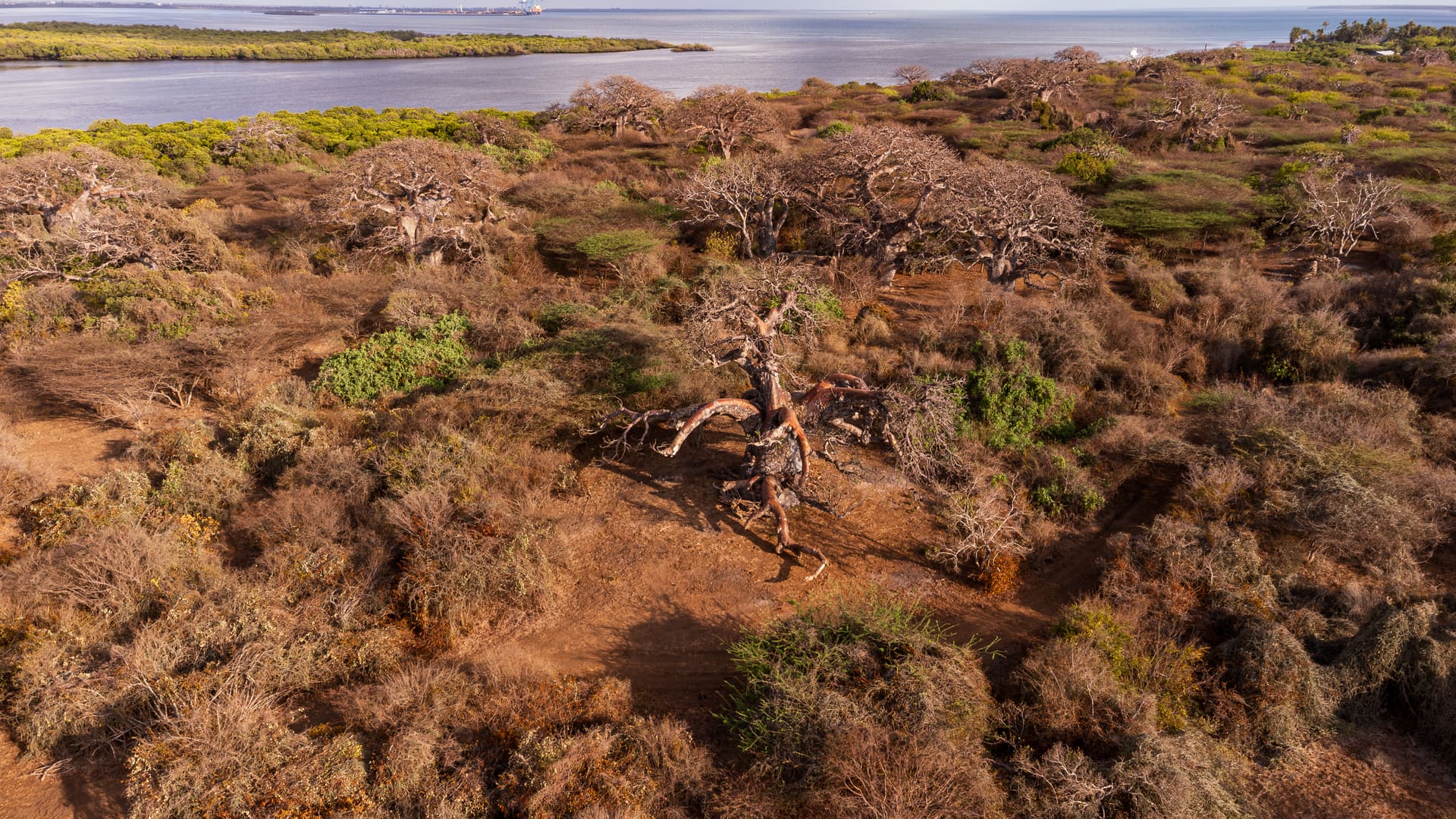
The Manda Conservancy has been established as a Kenyan not-for-profit to protect this island. Working with landowners and stakeholders, it secures land through legally binding conservation agreements — guaranteeing long-term protection without displacing local communities. The aim is to restore ecological resilience, ease human–wildlife conflict, and build a conservation economy through tourism, research, education, and local employment, so that biodiversity protection and community prosperity reinforce one another.
By safeguarding habitat that has survived precisely because of its remoteness, Manda Conservancy works to ensure that one of East Africa's most remarkable coastal landscapes endures for generations to come.