Built for the long horizon.

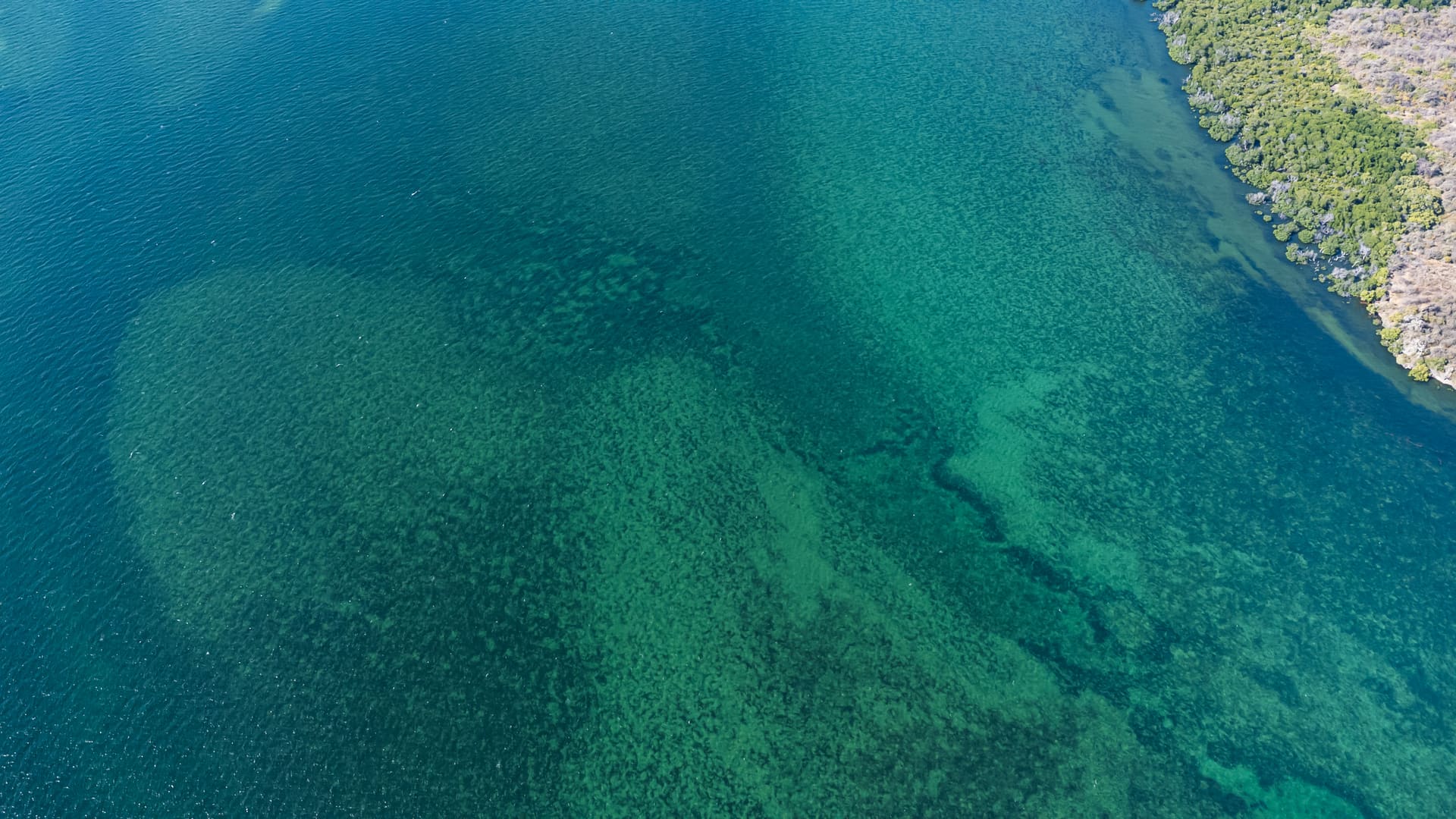
Aerial view of an East African coastal archipelago
Photo: Archipelagus

Why Archipelagus

We are called Archipelagus because islands that look separate on the surface are connected by a foundation beneath it. That is also how we think about conservation. The work that lasts is built on two things: strong organisational and financial foundations, and the leadership of the people closest to the landscape, those with the deepest knowledge of it, the longest stake in it, and the most to gain from its recovery. Our job is to build those foundations, back those people, and commit to the timelines the work actually requires.

Why we exist

Across the landscapes where we work, the pattern is familiar; a committed community, a promising initiative, a few good years of funding — and then the cycle turns, the donor moves on, and the institutional scaffolding that was never quite finished gives way. The science gets done but does not reach the people who need it. The governance structures get drafted but never fully resourced. The livelihoods piece gets treated as an add-on rather than the foundation it has to be.

Archipelagus was built to work against that pattern — to invest on timelines that match the work rather than the funding cycle, and to build the institutional and scientific foundations that allow locally led conservation to endure.

How we are built

Archipelagus is, at its core, an organisation of experienced scientists and field operators. Our bias is to action, and our instinct is to test, measure, and revise, and we treat ecological and social data as the basis on which good decisions get made.

We operate as a conservation nonprofit across East Africa, in close partnership with The Manda Projects, a responsible business venture working in the same landscapes. The two organisations are distinct but aligned, built on a shared conviction that conservation and livelihoods have to reinforce one another.

Archipelagus is also a charter member of The Stær Collective, a global network confronting humanity's greatest challenges through citizen-powered solutions. The Collective connects us to a community of funders, operators, and peers working on parallel problems around the world.

Our team

The people behind Archipelagus bring together extensive scientific training, field experience, and long relationships with the communities and landscapes where we work. What we share is the belief that durable conservation is built with people, not for them.

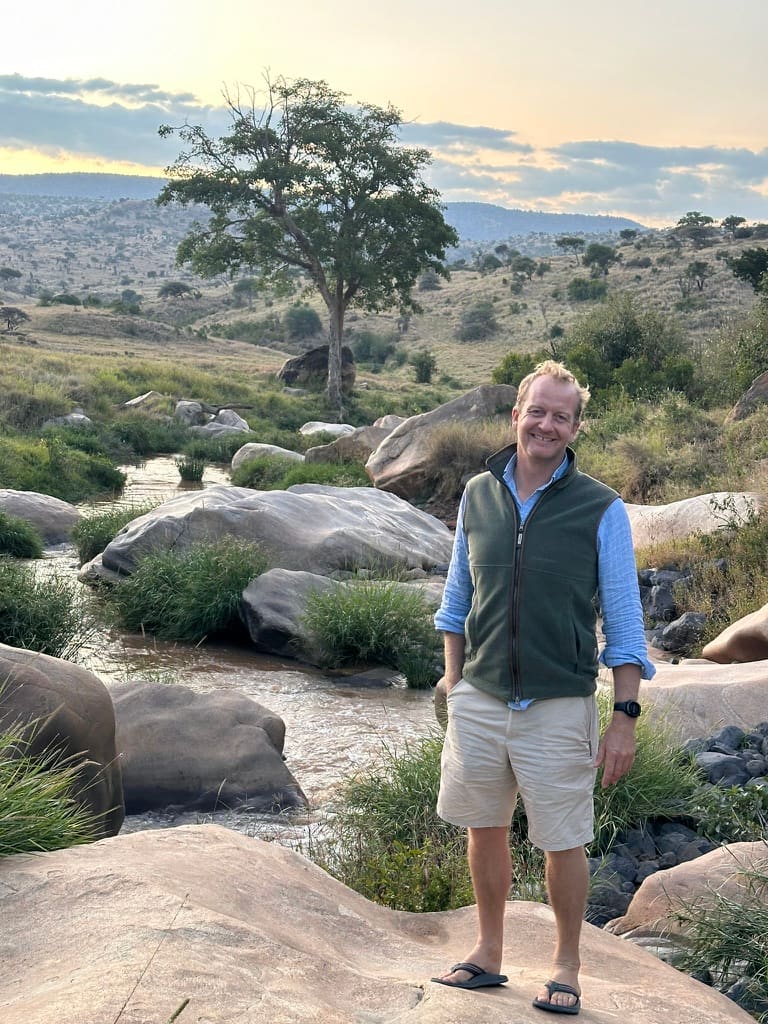
Dr. Edward Brooks, Executive Director

Dr. Edward Brooks

Executive Director

Uniquely positioned to lead Archipelagus, Edd brings together a rare combination of practical knowhow, scientific expertise, entrepreneurial vision, and nonprofit leadership — exactly the mix required for a venture that aims to create sustainable environmental, social, and economic outcomes for communities and wildlife.

A farmer by birth, Edd fell in love with Africa working on farms and in lodges in Zimbabwe in the late 1990s.

With a PhD in Marine Biology and a career spanning marine research, conservation, and sustainable development, Edd has spent decades translating science into action. As part of the early cohorts designing and building The Cape Eleuthera Island School — a non-profit organization dedicated to conservation science, sustainable engineering, and educational reform — Edd went on to serve as its COO and CEO.

As a recent returnee to Africa, and a relative newcomer to Kenya, Edd has spent the last four years learning from giants of conservation with lifetimes of experience, and is in the unique position to be able to learn from successes and failures of the past, yet able to approach these unique conservation problems with a fresh set of eyes and a global store of experience. An accomplished pilot who is working hard on his Kiswahili proficiency, Edd is guiding Archipelagus to become a model of sustainable, conservation-focused community development.
Dr. Kieran Avery, Conservation

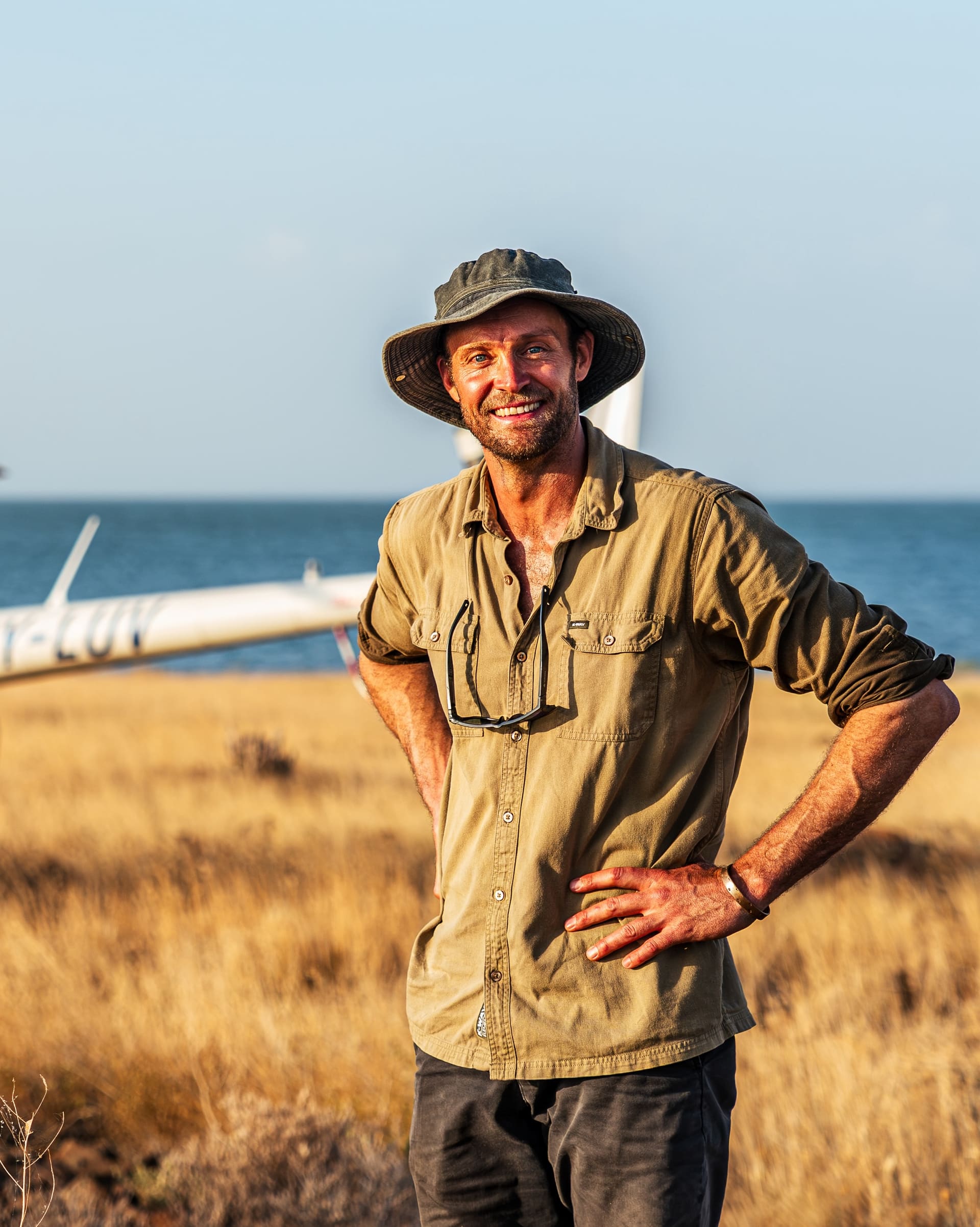
Dr. Kieran Avery

Conservation

Born and raised in Kenya, Kieran's connection to the country's northern landscapes runs deep. His childhood was shaped by family safaris across northern Kenya, where he developed an intimate understanding of the region's diverse communities, rich cultures, and remarkable wildlife. This early exposure fostered a lifelong passion for the delicate balance between human livelihoods and conservation, that would later define his career.

Kieran is a trained veterinarian, and has been working in the community conservation space in northern Kenya since 2017. He is also a qualified pilot, which is invaluable when working in this remote landscape. Kieran's technical expertise spans wildlife capture and immobilization, rangeland management, community development, and carbon project development / implementation; having played a key role in the successful launch of the world's first, and largest soil based carbon project. He has worked extensively with endangered species management, supporting sanctuaries for elephants, black rhinos, Rothschild giraffes, and hirola antelope.

Kieran brings a wealth of practical first hand experience to the Manda Projects team; fluent in English and Kiswahili, he represents a new generation of conservation leaders who understand that successful environmental initiatives must be rooted in respect for local communities and their traditional knowledge and livelihoods. His work demonstrates that the most effective conservation happens at the intersection of scientific rigor, cultural sensitivity, and genuine partnership with the people who call these landscapes home.

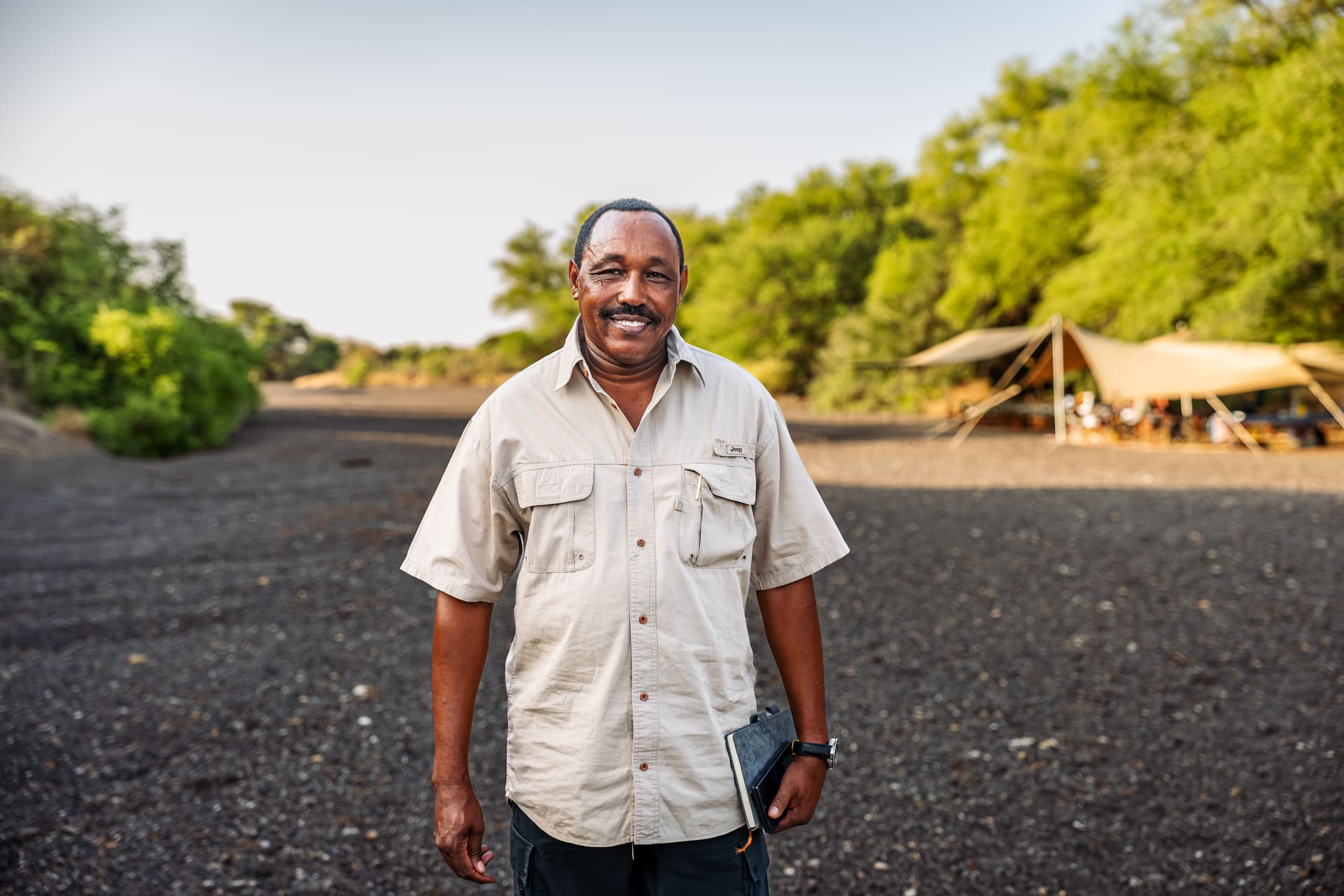
Honorable Francis Chachu Ganya, Community Engagement

Honorable Francis Chachu Ganya

Community Engagement

Chachu Ganya served three consecutive terms as Member of Parliament for North Horr Constituency in Marsabit County from 2008 to 2022. During that time he was among the most consequential legislators on environment and natural resources in Kenya — sponsoring the National Drought Management Authority Act and the Climate Change Act, both passed in 2016, and playing a central role in passing the Wildlife Conservation Bill, Mining Bill, and Water Act. He also sponsored motions to combat poaching and introduce emission standards, work that reflected a consistent conviction that legislation could be a tool for landscape protection.

He began his career in the United States with the U.S. Forest Service as a Wilderness and Back Country Ranger, and holds a Master's in Public Administration with a focus on Environmental Policy and Management from George Mason University, and a Bachelor of Arts from St. Lawrence University.

Chachu is a Board Member of Kenya Wildlife Services, co-founder of the Northern Kenya Fund, and founder of the Chalbi Scholars Organization, which provides scholarships to students from the region. His leadership has been recognised with the Sol Feinstone Award for Humanitarian Service and the National Diversity and Inclusion Award.

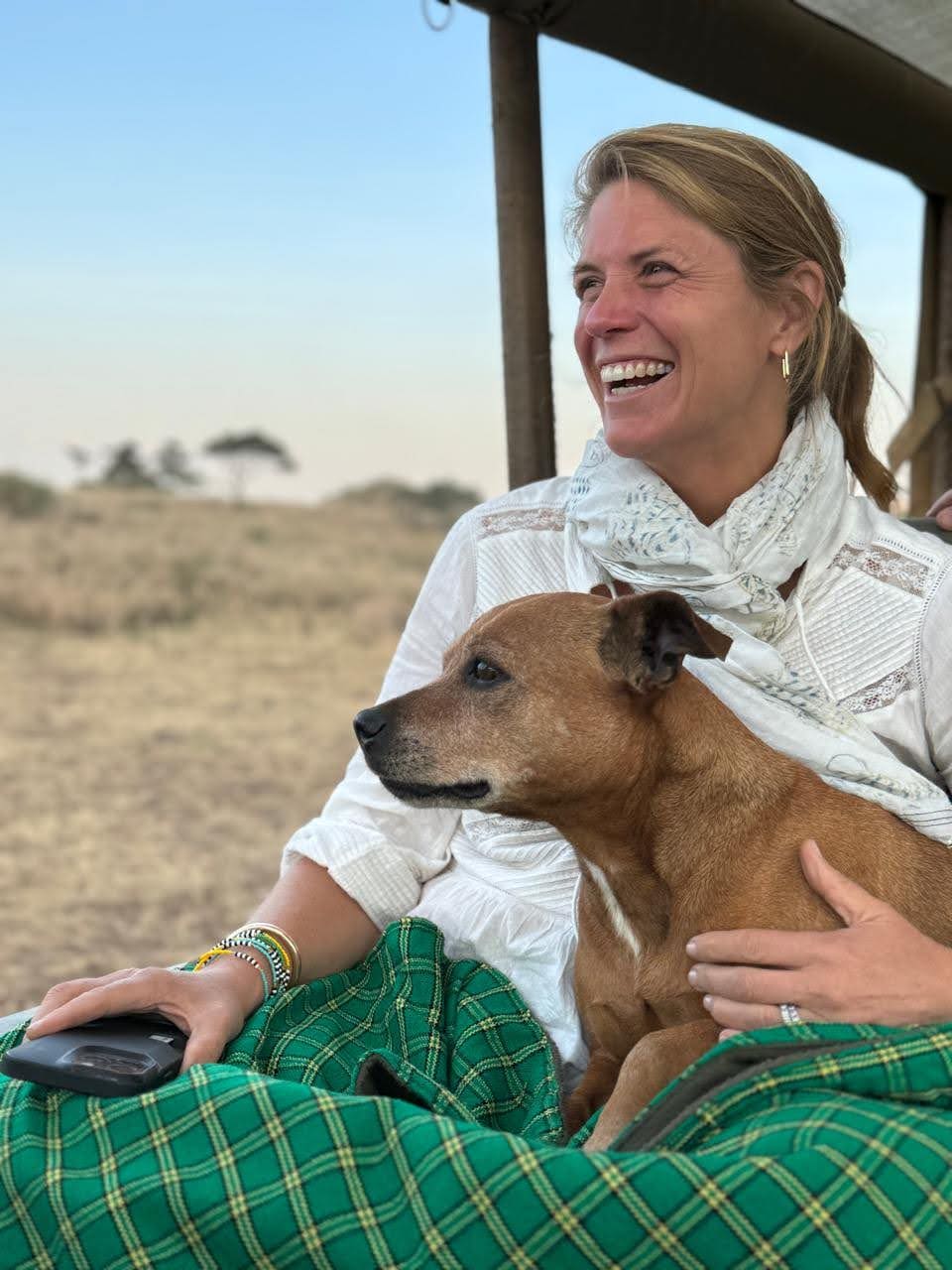
Whitney Brown, Communications and Fundraising

Whitney Brown

Communications and Fundraising

Whitney has spent two decades working at inflection points — technology transitions, the evolution of educational institutions, and now the intersection of conservation and community development in East Africa. Her work spans strategic communications, fundraising, and donor relationship development across nonprofit and private sector contexts, and includes senior roles spanning startups and boutique strategic communications firms.

At Archipelagus, she leads communications strategy and the cultivation of partnerships and funding relationships that advance the organization's conservation and community mission — bringing the discipline of someone who has built reputational credibility for organizations from the ground up. She brings deep fundraising experience, including board leadership roles at independent schools where she led major donor campaigns and chaired institutional search processes. She also serves as Executive Director of RadicaLab Foundation, a fellow member of the Stær Collective, a hybrid philanthropy and impact investing network addressing critical challenges facing humanity.

Whitney considers it a privilege to work alongside colleagues and partners whose knowledge of these landscapes runs generations deep. She is learning Kiswahili — slowly, and mostly on Duolingo — and treasures every visit to East Africa.

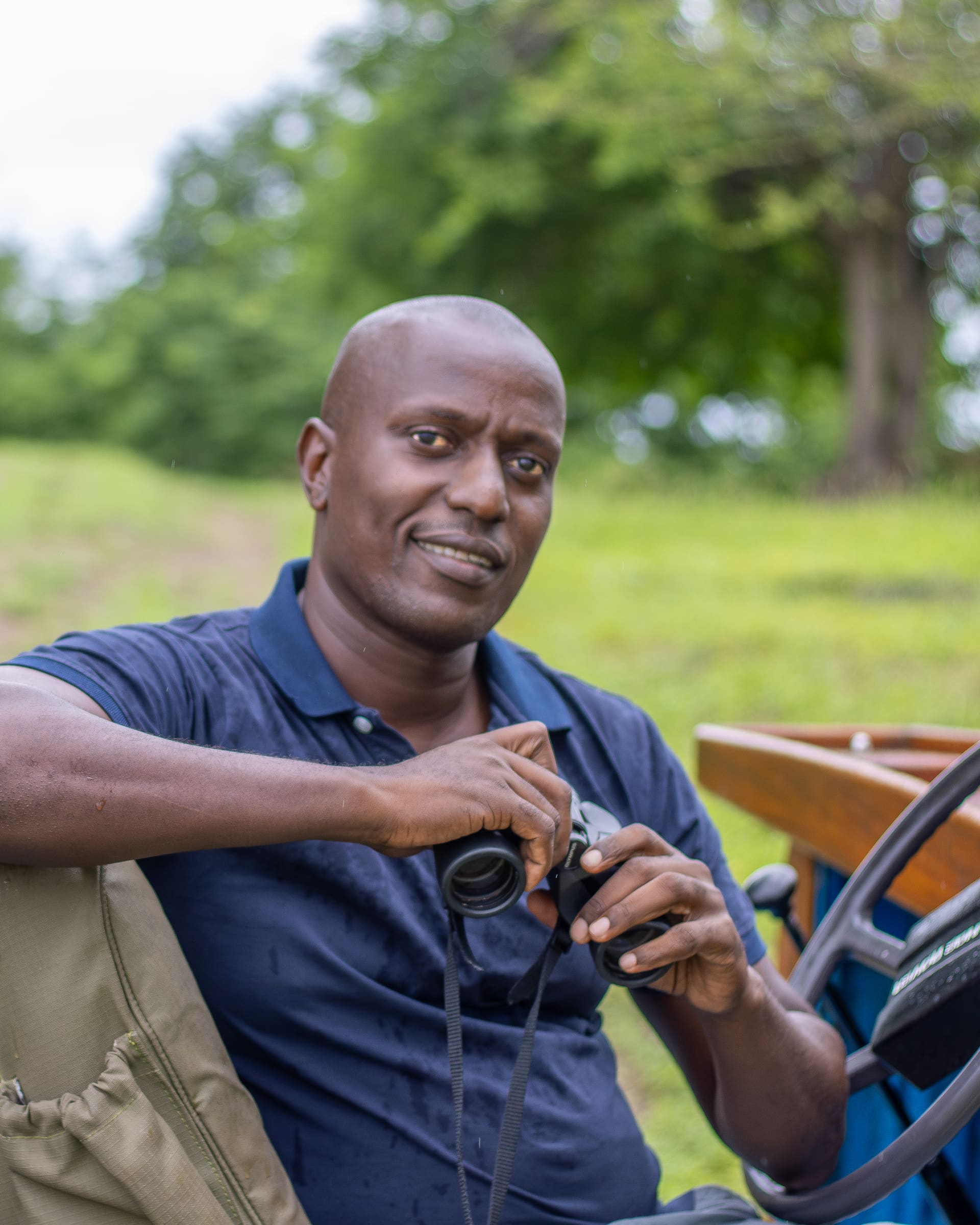
Kevin Mutinda Kelli, Coastal Manager

Kevin Mutinda Kelli

Coastal Manager

Kevin Mutinda Kelli has over 20 years of experience spanning tourism, community development and hotel management in Kenya, Ethiopia, Nigeria, mainland Tanzania and Zanzibar.

A former safari agent and community programs coordinator, he brings a genuine grounding of local environments and cultures to his hospitality work.

Kevin has managed luxury hospitality properties in Zanzibar, Diani, Masai Mara, and most recently, the Manda Bay Lodge in Lamu, bringing his signature blend of warm hospitality and operational rigor to one of coastal Kenya's most distinctive eco-properties.

He was born and brought up in Nairobi Kenya, but prefers to spend his time along the East African coast or deep in the bush. He is a wildlife photographer, birdwatcher and occasional author.

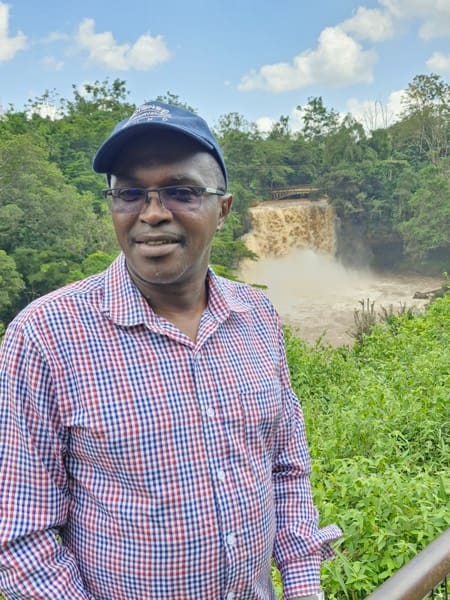
Kimani Muhia, Finance

Kimani Muhia

Finance

Kimani brings more than twenty-five years of financial and strategic leadership across an unusually wide range of industries — hospitality, tourism, transport, aviation, real estate, and investment management. He has led finance departments, built the teams behind them, and rebuilt the systems organisations depend on to grow: budgeting, financial reporting, taxation, internal controls, audit, and cash flow management.

It is precisely the discipline Archipelagus is built on. Durable conservation depends on institutions that can steward funding, govern themselves well, and stand on their own over the long term — and Kimani's work is to give the organisation, and the community structures it supports, financial foundations strong enough to last.

He holds an MBA in Strategic Management from the University of Nairobi and a Bachelor of Commerce in Finance and Accounting from Strathmore University, where he also qualified as a CPA(K). He is a member of the Institute of Certified Public Accountants of Kenya (ICPAK) and a Certified Public Secretary (CPS-K).

Kasaine Letikitik, Field Officer

Kasaine Letikitik

Field Officer

Kasaine is a conservation and ecological monitoring specialist whose work sits where scientific data and local knowledge meet. He has spent his career in the landscapes of northern Kenya — mapping them with GIS, tracking their biodiversity, guiding the management of their rangelands, and supporting the community-based conservation that holds these systems together.

His work spans ecological monitoring, spatial planning, wildlife conservation, and natural resource management. Across all of this work, his approach is the same: bring the science and local knowledge together, so that decisions about conservation and land use are grounded in evidence and the experience of the people who live there.

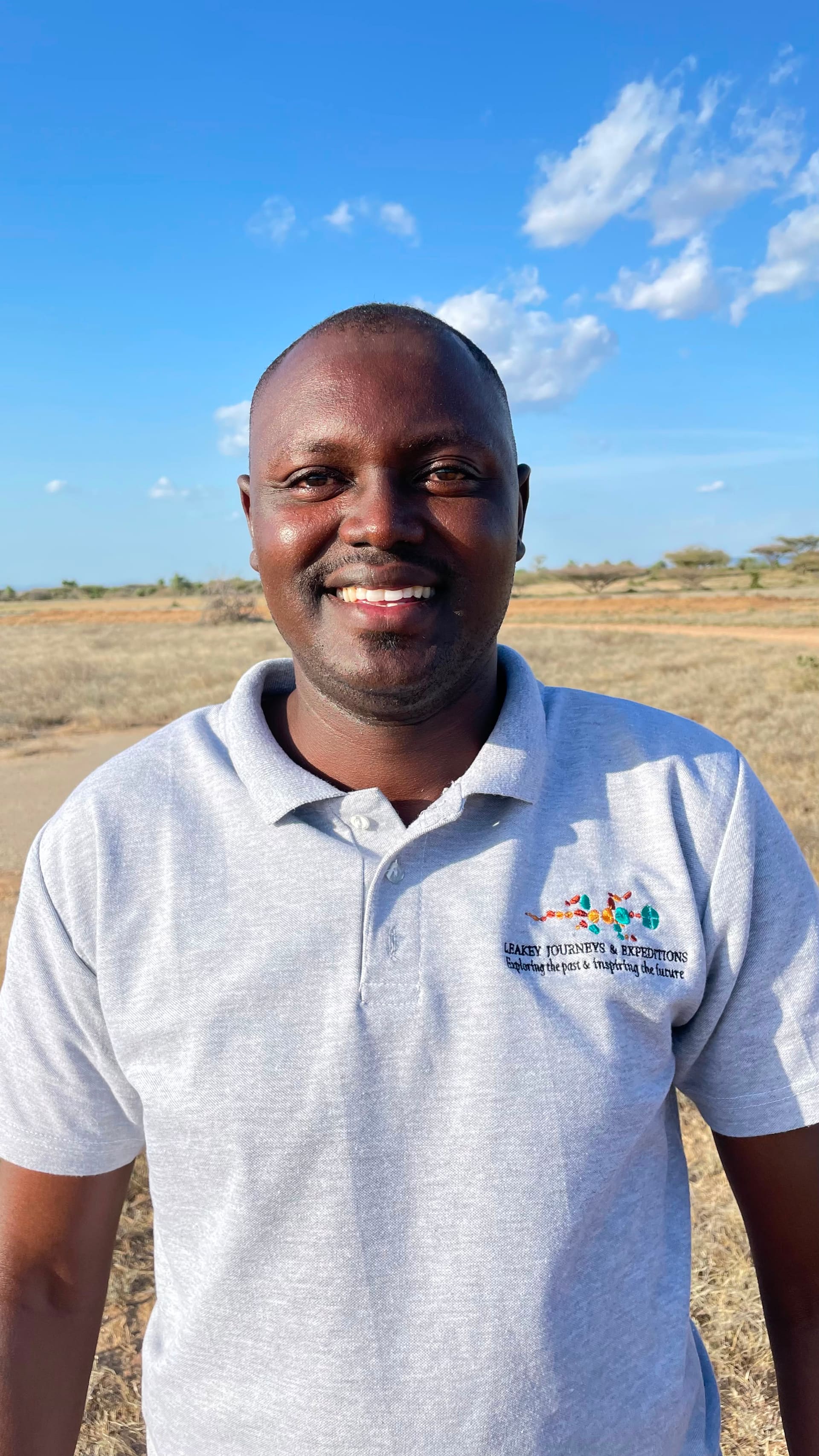
Casper Koriye, Field Coordinator

Casper Koriye

Field Coordinator

A member of the Daasanach community whose ancestral lands border Sibiloi National Park, Casper brings a lifetime of lived knowledge of one of Kenya's most remote and ecologically significant landscapes — an understanding of how wildlife moves across it, the cultural dynamics that shape how people and animals share it, and the trust that comes from being genuinely of a place.

He holds a Certificate in Community Wildlife Management from the Kenya Wildlife Service Training Institute and a Diploma in Wildlife Management from the Wildlife Research and Training Institute in Naivasha. Through field attachments with Kenya Wildlife Service, an internship with the Northern Rangelands Trust, and mapping work with Leakey Journeys and Expedition Limited, he has built hands-on experience across wildlife monitoring, ecological data collection, habitat restoration, community-based conservation, and GPS mapping.

Casper pairs rigorous field skills — wildlife monitoring, ecological data collection, GIS and GPS mapping — with community relationships that can only be built over a lifetime. In that, he embodies the conviction at the heart of how Archipelagus works: that the people who know these landscapes best are the ones who should lead their protection.

Please follow us for updates