Daasanach Elders Meet to Shape a Community-Led Conservation Path
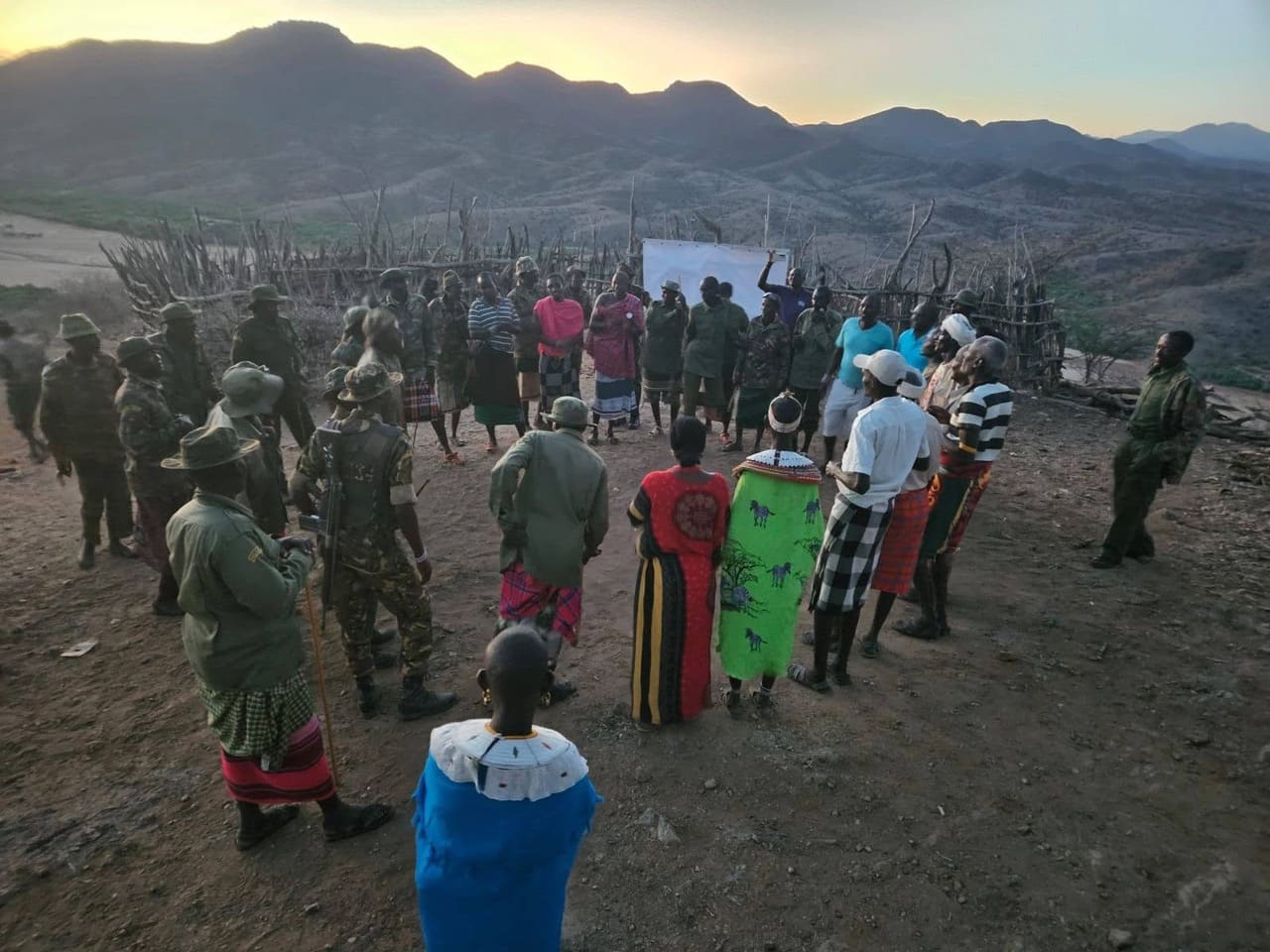
Daasanach community elders gathered early September for a meeting facilitated by Archipelagus's field team. The gathering brought elders together to reflect on a recent conservation learning exchange and begin discussing what community-led conservation could look like on Daasanach land.
The meeting built on a learning tour that KWS endorsed and Archipelagus facilitated, taking Daasanach representatives to three established community conservation initiatives in Samburu county: Milgis Trust, Westgate Conservancy, and Reteti Elephant Sanctuary. There, they observed how Samburu communities have organized to protect wildlife, manage natural resources collectively, and integrate conservation with pastoral livelihoods. The visit presented the opportunity to see how those approaches might be adapted to Daasanach land and customs, particularly as they consider how to support the restoration of Sibiloi National Park's grasslands.
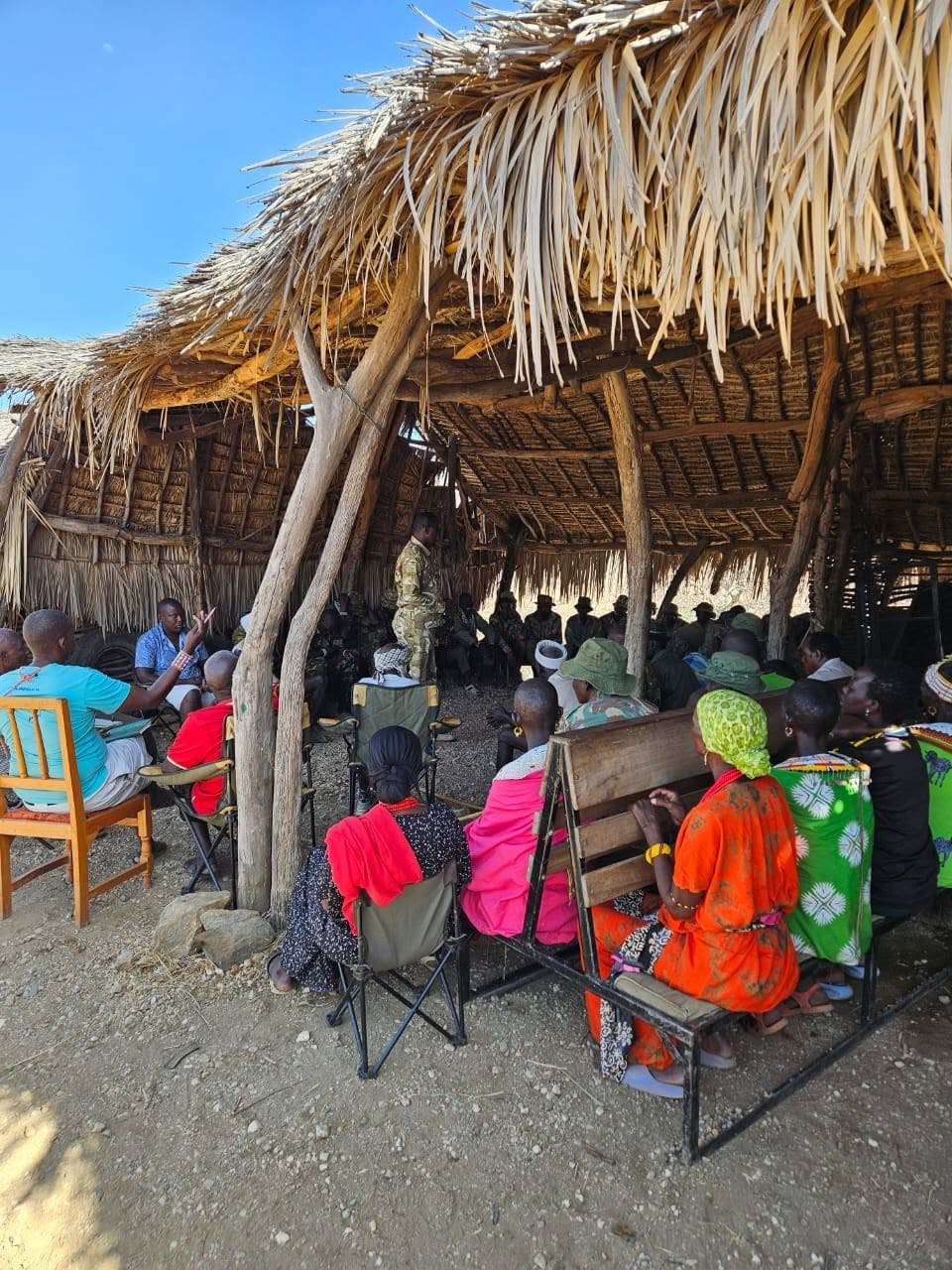
At each stop, the Daasanach delegation saw a similar pattern at work: communities taking an active role in protecting wildlife on their own land, managing natural resources collectively, and identifying and responding to threats themselves rather than leaving conservation to outside agencies. Traditional knowledge and the leadership of community elders featured heavily in how those communities organized, and visitors noted that conservation functioned there as part of pastoral life rather than a competing use of the land.
The exchange closed with time back in Illeret, where the delegation shared what they had learned with other community members at their own homes. Elders said the clearest lesson from the trip was organizational: communities that speak and act with one voice find it easier to coordinate conservation work and engage government agencies, conservation organizations, and development partners — a point that fed directly into the elders' discussion of forming a Daasanach Community-Based Organization.
Discussion turned to several themes likely to shape the community's next steps: closer collaboration with Kenya Wildlife Service on wildlife monitoring and human-wildlife conflict; the value of registering communal land to strengthen tenure and support long-term planning; and the kinds of benefits — employment, education, tourism opportunities — that elders said should be transparent and accessible across the wider community. Given how heavily Daasanach livelihoods depend on livestock, much of the conversation focused on coexistence: how herders and wildlife can share the same landscape without escalating conflict.
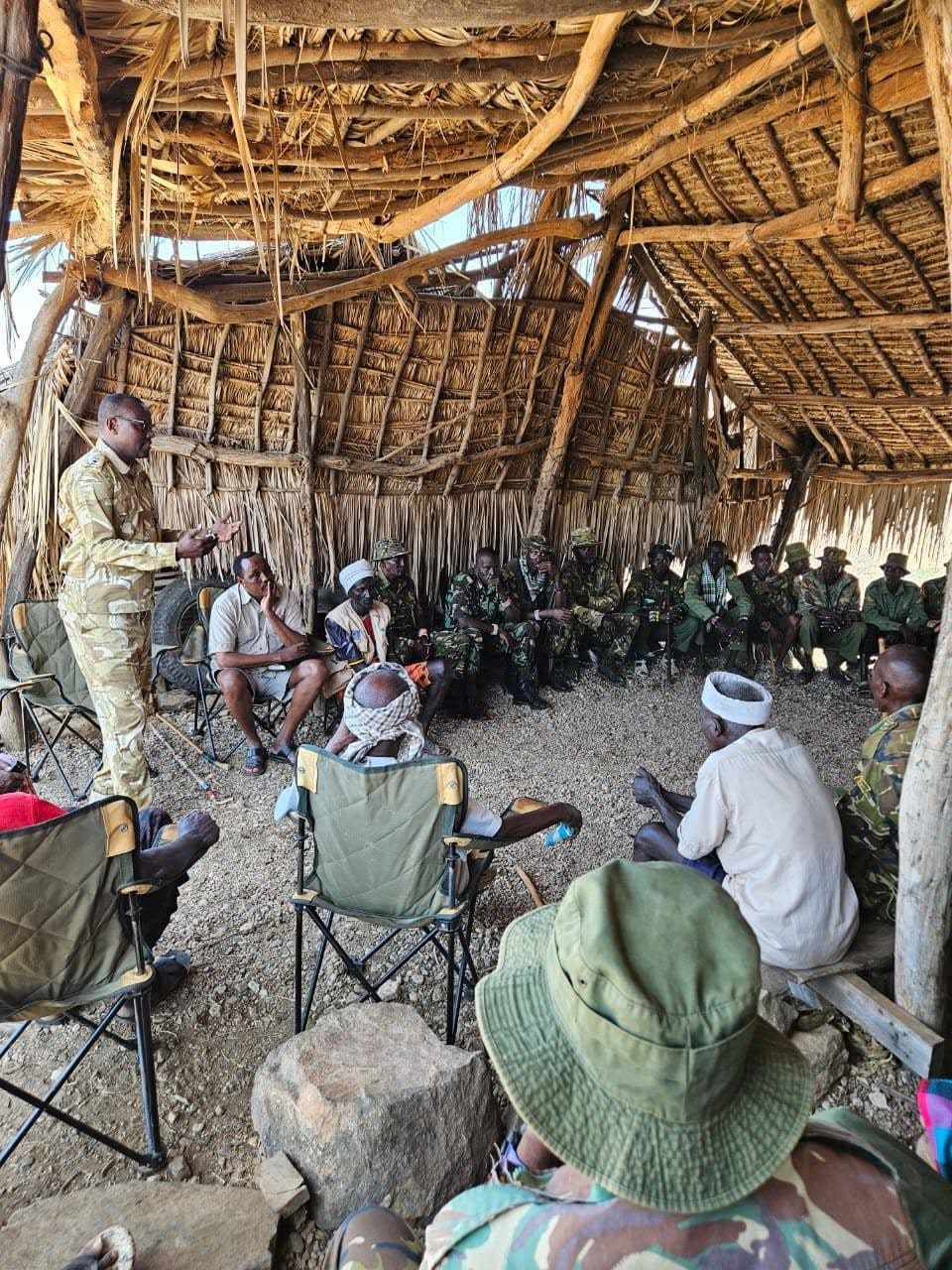
Members of the community described missing the wildlife their landscape once held. Many elders say they want wildlife to return so that younger generations can see it for themselves.
One elder put it directly: "We are sad that you did not come with this initiative sooner, before all was lost!" Archipelagus's Dr. Kieran Avery answered: "We are here now and we are here for the long term — wildlife can and will return, or be reintroduced, once the communities show a collective approach and desire toward conservation."
The meeting is part of ongoing engagement between Archipelagus and communities across the wider Lake Turkana Parks landscape, where the Gabra, Daasanach, Turkana and El Molo have herded livestock and fished the lake's shores for generations. Sibiloi National Park, together with Central Island and South Island, forms the Lake Turkana National Parks — a UNESCO World Heritage Site where Kenya Wildlife Service and a coalition of partners, including Archipelagus, are working to implement a ten-year management plan for the parks and the community lands around them. What comes next in Illeret will be shaped by what Daasanach elders decide is right for their own community.